LIQUI MOLY × socialPALS: How Global Brand Strength Becomes Local Customer Proximity

LIQUI MOLY has relied on socialPALS since 2019 to activate more than 1,000 auto shops and dealers across 10+ countries — reaching activation rates of up to 92%. In this interview, Daniel Wiest and Laura Keller share how a national pilot project grew into an international success story.

LIQUI MOLY × socialPALS: How Global Brand Strength Becomes Local Customer Proximity

LIQUI MOLY has relied on socialPALS since 2019 to activate more than 1,000 auto shops and dealers across 10+ countries — reaching activation rates of up to 92%. In this interview, Daniel Wiest and Laura Keller share how a national pilot project grew into an international success story.

Who are you, and what's your role at LIQUI MOLY?

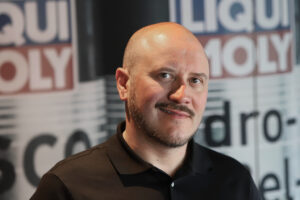
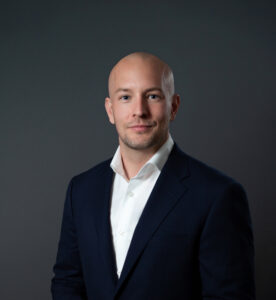
I’m Daniel Wiest, Online Marketing Manager at LIQUI MOLY, and I’ve been working in online marketing for around 12 years. For several years now, I’ve been leading the digital marketing support for our auto shop partners.

Daniel Wiest
Online Marketing Manager | LIQUI MOLY

I’m Laura Keller. I’ve been in online marketing at LIQUI MOLY for 4 years, and I handle the operational execution of the campaigns.

Laura Keller
Onlinemarketing | LIQUI MOLY

LIQUI MOLY is known worldwide. So why is local auto shop marketing still such an important topic for you?

Daniel: LIQUI MOLY is a strong international brand, but the purchase decision is often made locally. For many drivers, their auto shop is the most important point of contact for maintenance and service. When a shop recommends our products and also makes that visible through its own channels, brand strength connects with personal trust. That’s exactly why local auto shop marketing isn’t a nice-to-have for us — it’s a key part of our partner strategy.

How long has LIQUI MOLY been working with socialPALS — and how did that come about?

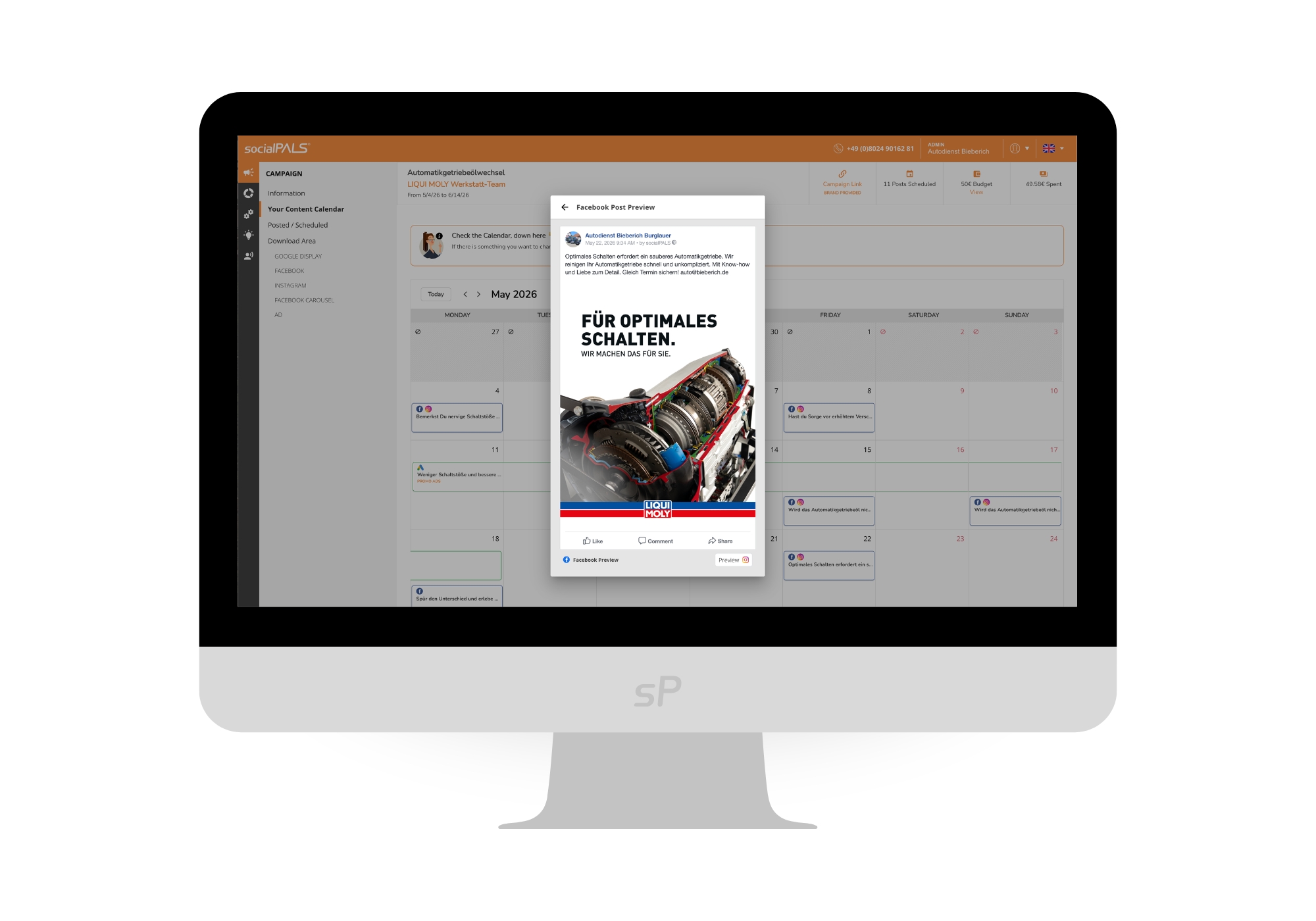
Daniel: We’ve been working together for over 10 years — we first got involved as a brand partner in a Red Bull campaign. Since 2019, we’ve been actively using socialPALS to activate our auto shops and dealers. What started as a national approach has since grown into an international program that’s already being used successfully in several countries.

What was the biggest challenge before — why did auto shops barely use your marketing materials back then?

Daniel: The content was basically all there in our media center. The challenge was getting that content into the shops’ day-to-day communication. Most shops are experts in service and repair, not in social media or online marketing. As a result, a lot of good marketing approaches went unused.

Many marketing decision-makers today think primarily in performance KPIs: clicks, ROI, direct sales. Is that enough on its own to strengthen a brand like LIQUI MOLY in the long run?

Laura: Performance KPIs are important because they make success measurable. But they’re not enough for long-term brand building. Strong brands are built through continuous visibility and trust. That’s exactly why we don’t see branding and performance as opposites, but as two sides of the same coin: branding creates the foundation on which performance can actually succeed.

How would you explain to someone why an auto shop, as the local sender of an ad, can be strategically more valuable than a central campaign with the same budget?

Laura: It’s simple: an auto shop has something no central campaign can replace — the personal relationship with the customer. Recommendations and messages feel more credible when they come from the local shop. That turns the shop into a local brand ambassador for LIQUI MOLY. With socialPALS, we can tap into that local strength in a targeted way while still rolling it out at scale.

LIQUI MOLY stands for strong branding — motorsport sponsorships, a clear visual identity. How does local auto shop marketing fit into that picture?

Daniel: It’s not a contradiction at all — it’s the logical extension of our brand communication. Our sponsorship activities build awareness and trust in the LIQUI MOLY brand worldwide. When our auto shop partners use our professional visual identity and campaign creatives in their local communication, they benefit directly from that brand strength. That’s how we connect global brand presence with local customer proximity.

You have more than 1,000 auto shops in the program and an overall activation rate of 80%. What's changed through this long-term collaboration compared to a one-off campaign?

Daniel: The biggest difference: the shops know the system. They know when the next campaign is coming and how easy it is to take part. At the same time, the processes have settled in on all sides — both internally for us and for our partners. That creates strong reliability and high activation rates. Among specialty dealers, we even reach activation rates of up to 92% in some cases. That’s the result of seven years of working together.

What does a typical campaign cycle look like for you — which topics come up on a recurring basis?

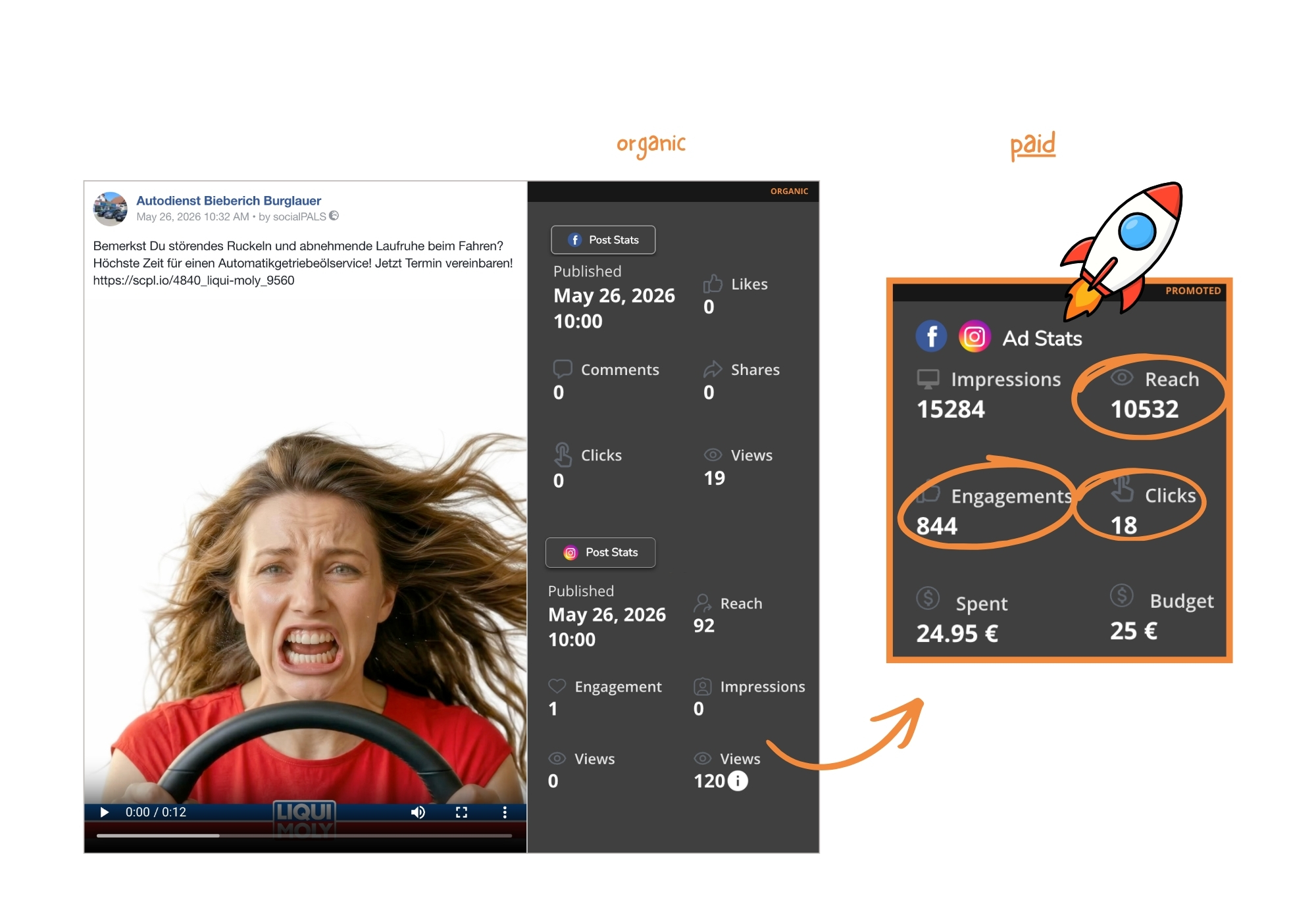
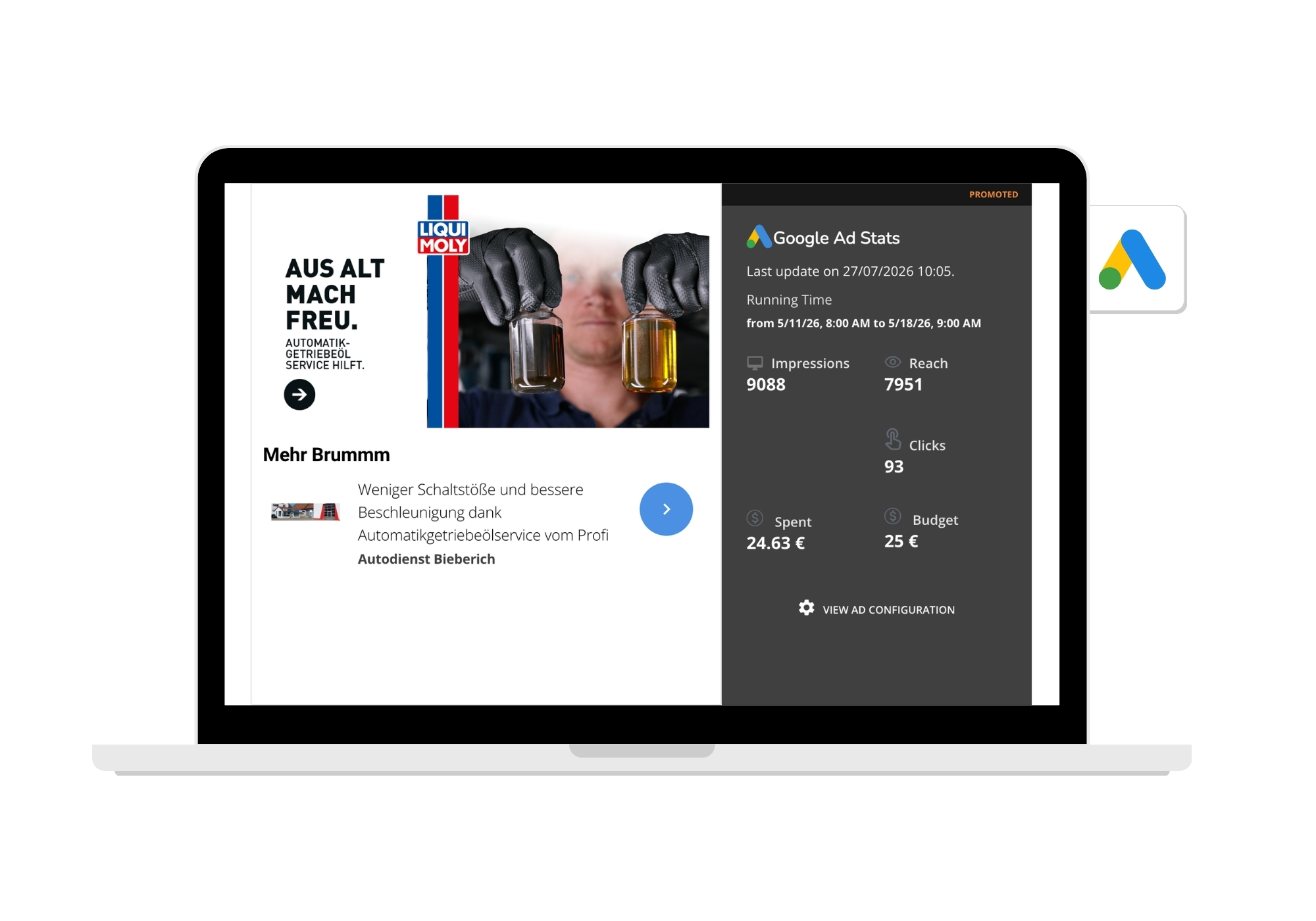
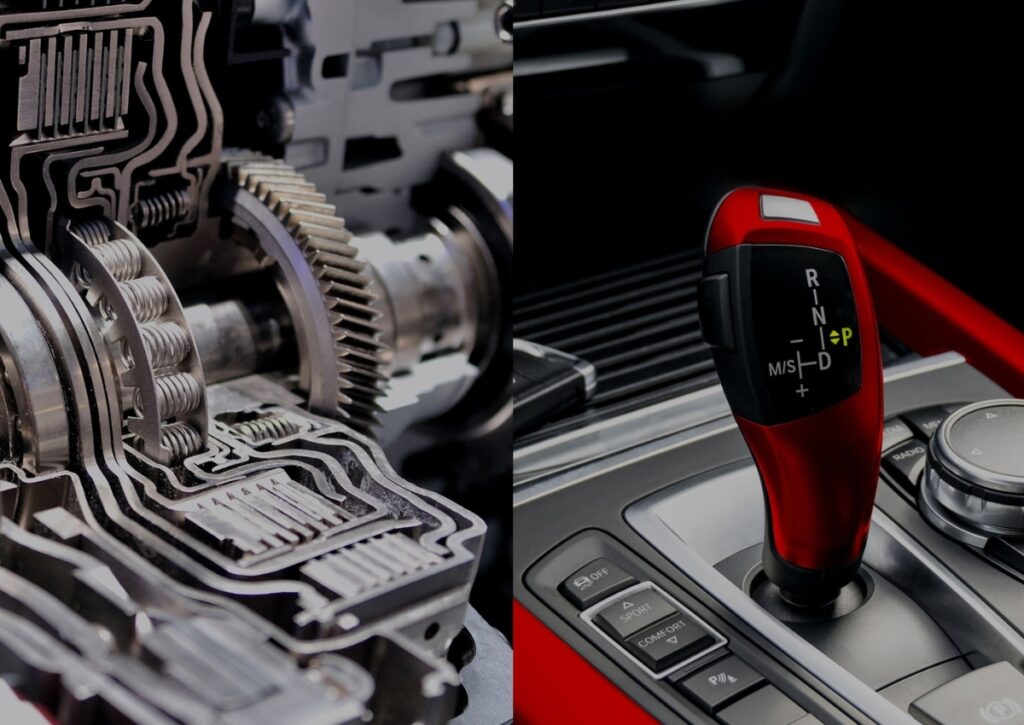
Laura: Our campaigns are built around seasonal shop services and topics that are highly relevant to end customers. These include things like oil changes, automatic transmission fluid changes, windshield repair and replacement, or fuel system cleaning. These topics come back regularly because they’ve proven themselves in practice and address concrete customer needs. At the same time, we keep developing the creatives and content further, so the campaigns stay current and shops can keep offering their customers fresh impulses.

What happens with shops that have been part of the program for several years — how are they different from newcomers?

Laura: Shops that have been with us for years barely need any explanation anymore. They’re faster, run more campaigns, and their local visibility keeps growing over time. Newcomers have more questions at the start — but the onboarding process is so well established by now that even small shops get up and running quickly.

Voices from specialty dealers:

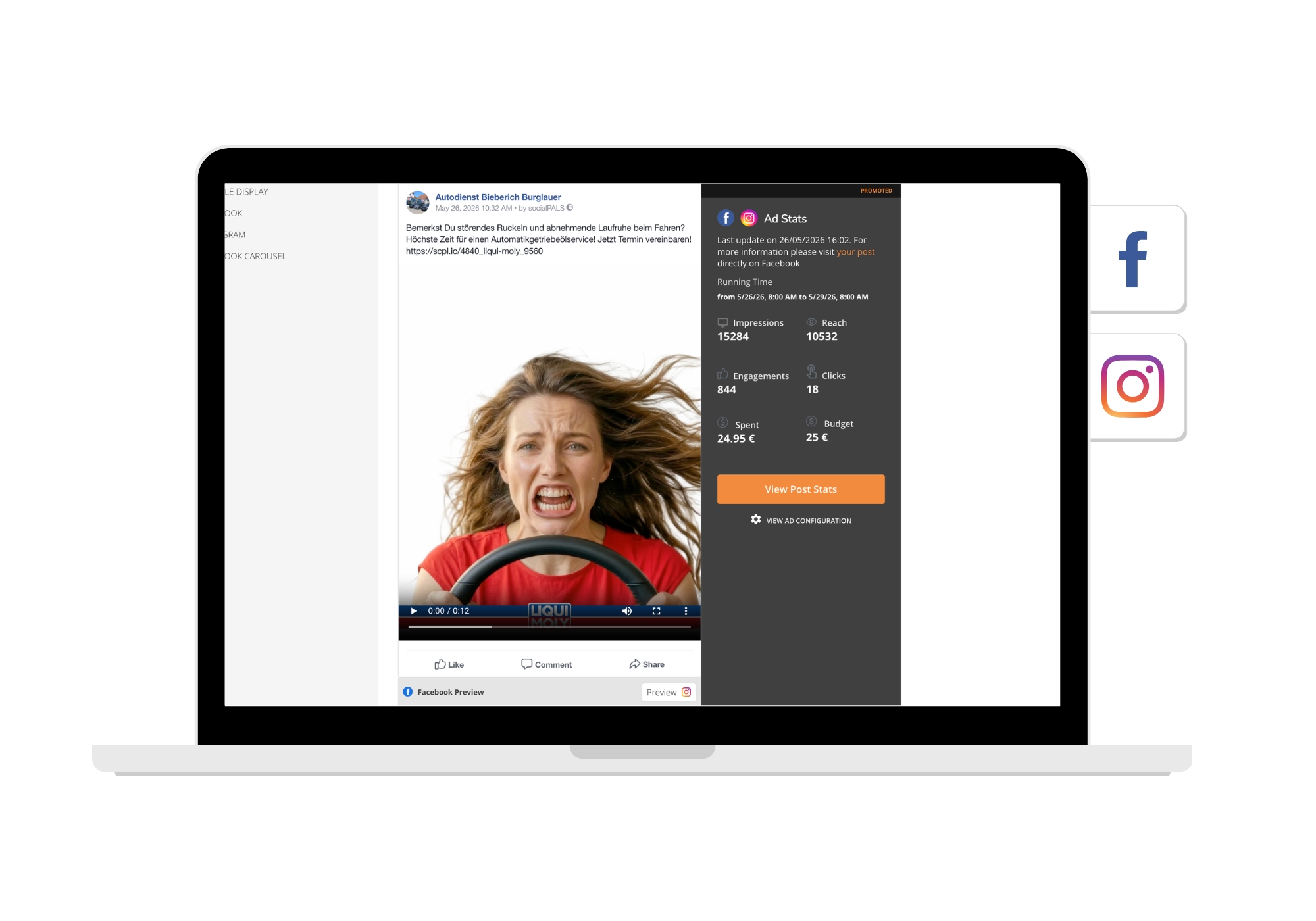
I’m Stefan Bieberich from Autodienst Bieberich in Burglauer. Alongside our daily shop operations, it’s important for us to also have a digital presence and make potential customers in our region aware of our business and our services.

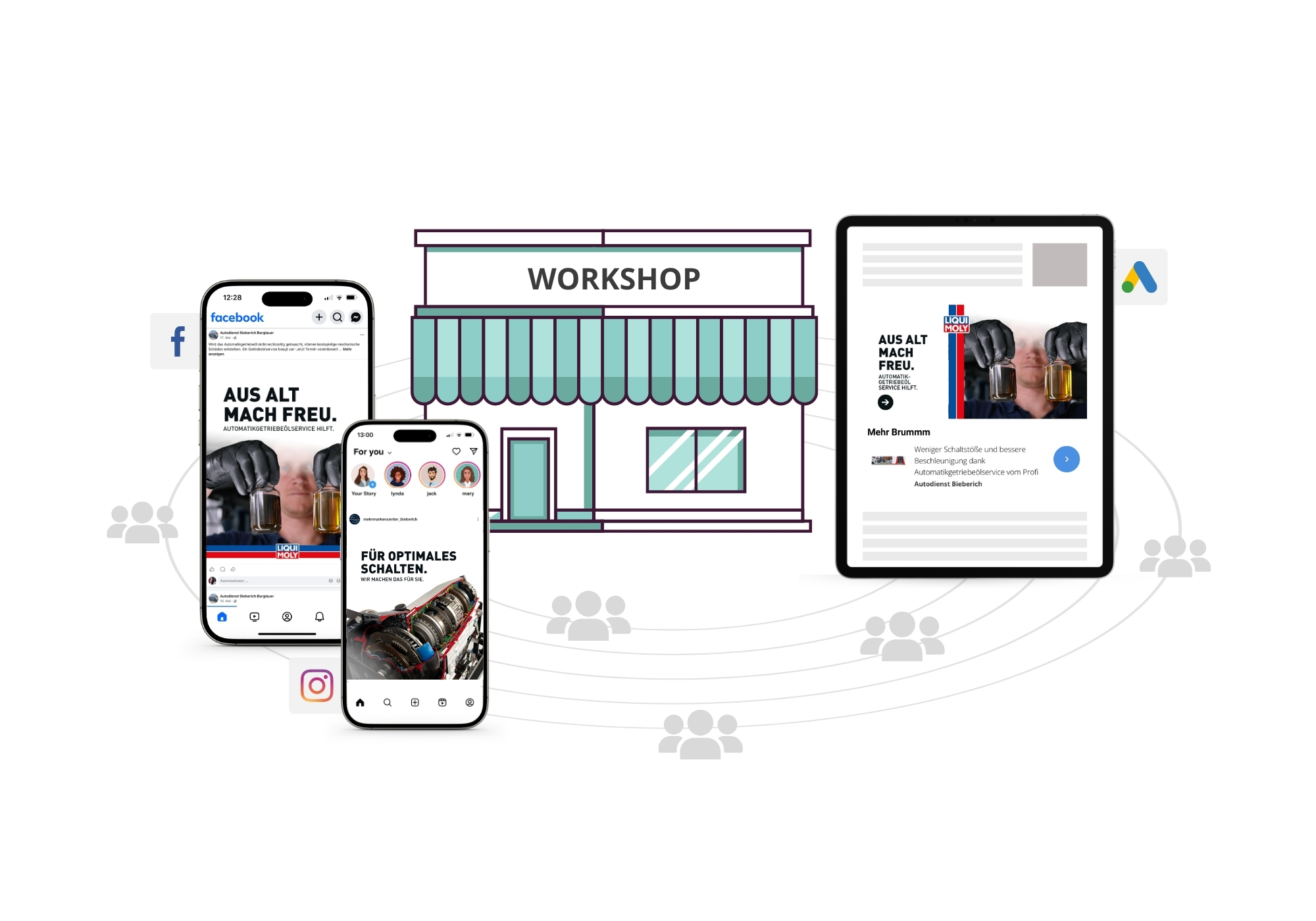
Through socialPALS, we take part in LIQUI MOLY’s campaigns. For a locally operating shop, it’s crucial to reach people directly within our own catchment area. The campaigns help us present LIQUI MOLY’s products and promotions professionally through our own social media channels, while also increasing our business’s visibility locally.

socialPALS is simple and intuitive to use. The campaigns can be integrated into our daily work routine without much extra effort. That’s especially helpful, since day-to-day shop operations often leave little time to create our own social media content.

Thanks to LIQUI MOLY’s professionally produced content, we can regularly offer our customers interesting, high-quality posts. At the same time, we strengthen our digital presence and specifically reach people in Burglauer and the surrounding region.

What’s particularly practical for us is that the content is provided centrally but still goes out through our own social media channel. That way, we continue to come across as a personal, local point of contact, while also benefiting from a professional, consistent brand presence.

For us, socialPALS is therefore an uncomplicated and valuable addition to our own marketing activities. The platform helps us make our shop more visible digitally, grow our regional reach, and present LIQUI MOLY’s products and campaigns to our customers locally in a targeted way.


Autodienst Bieberich

Stefan Bieberich

socialPALS is embedded in LIQUI MOLY's B2B portal and newsletter. How did that come about — and why did you take that step?

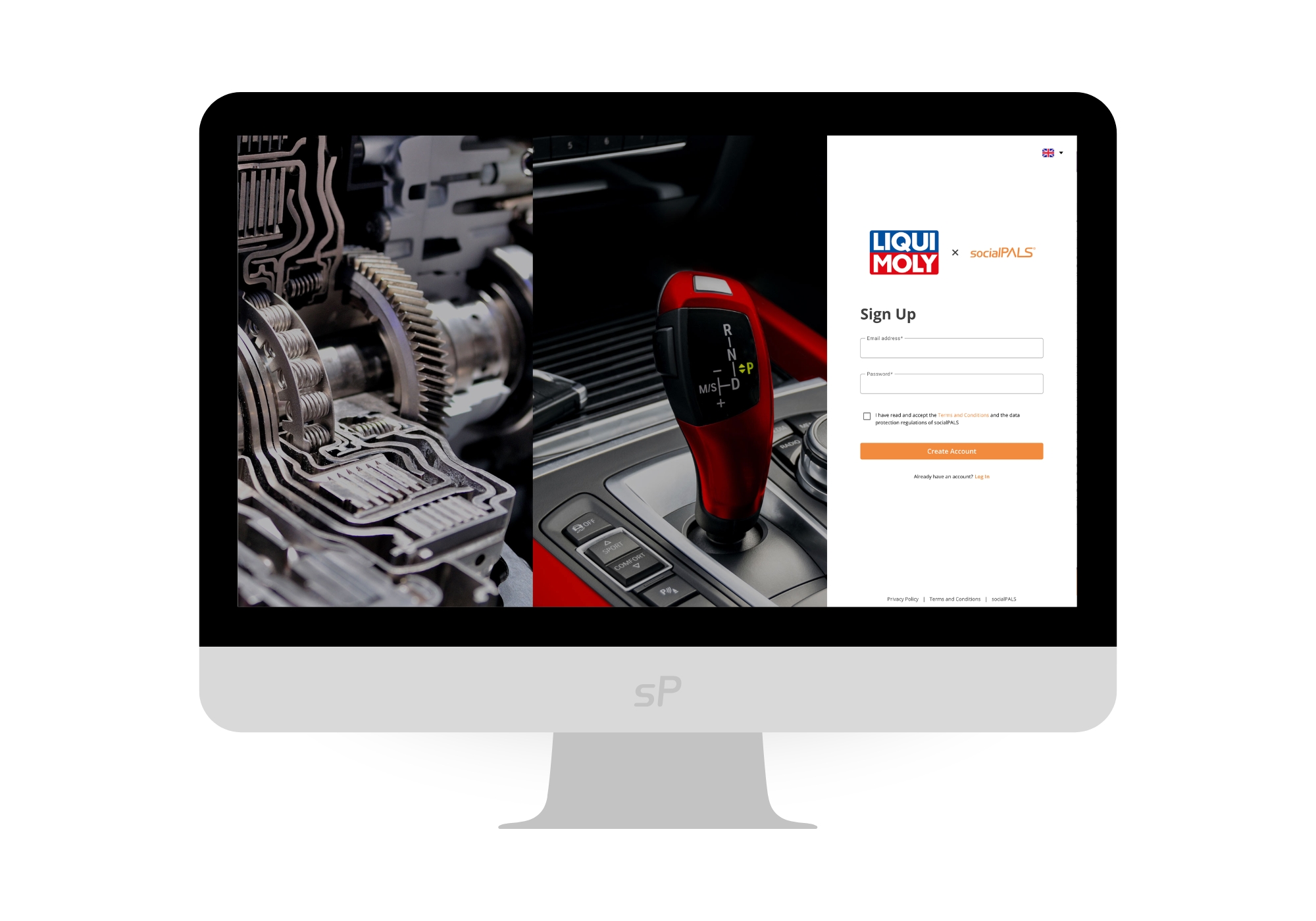
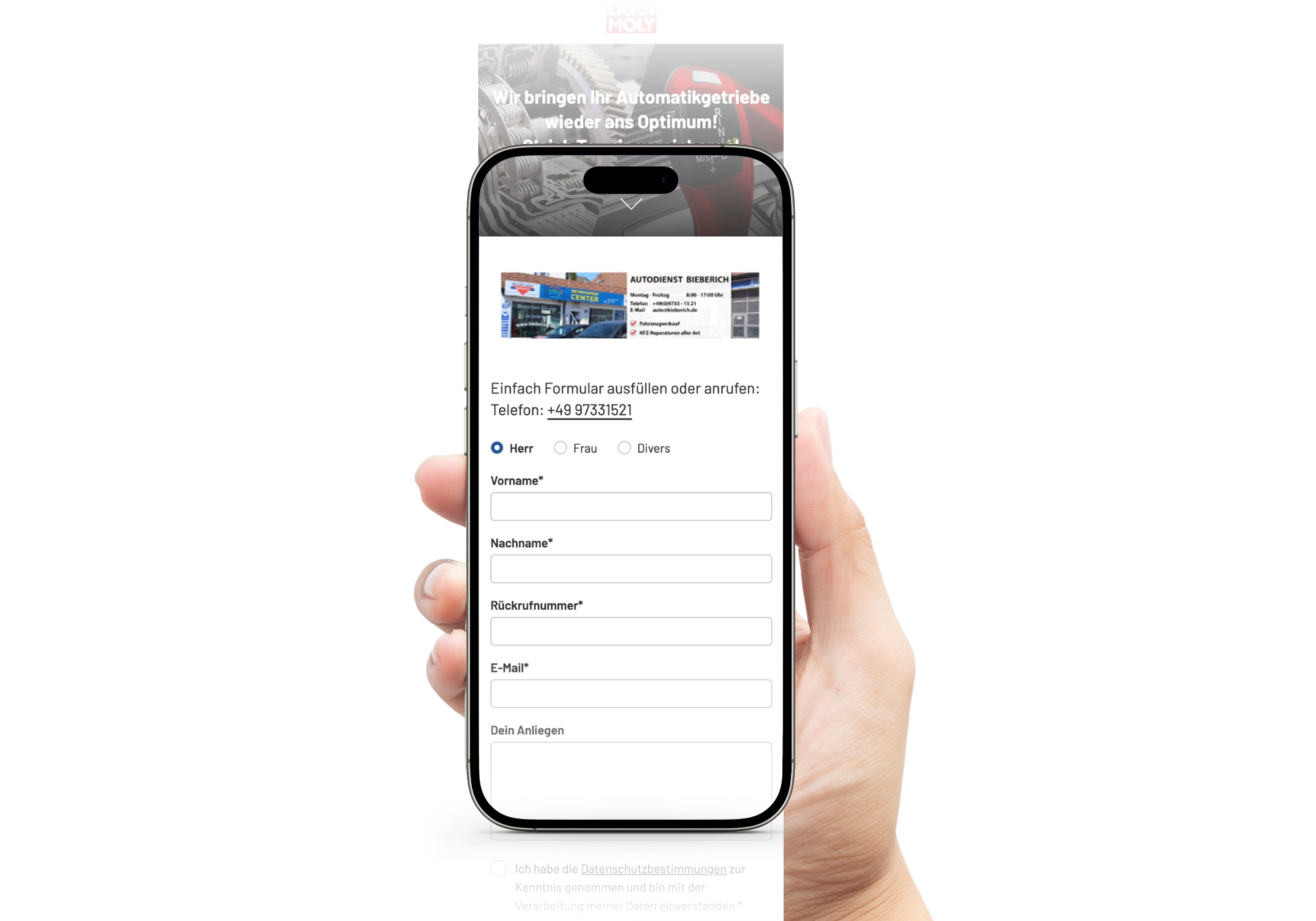
Laura: Shops need to find the campaigns where they already are. Our B2B portal and website are their central point of contact — socialPALS is firmly embedded there. The same goes for our newsletter: campaign information comes as part of our regular B2B communication. We also onboard and inform our customers at trade shows. That way, we’re constantly bringing in new participants.

How have you embedded the program internally — across sales, marketing, and field reps?

Daniel: For us, socialPALS isn’t just a marketing project. Marketing, sales, export, and field reps all work closely together on it. While we provide the content and campaigns, our field reps bring the topic directly to the shops. This collaboration is a key success factor behind the high acceptance and activation rates.

You're now active in more than 10 countries — from Germany to the US to Australia. What does headquarters control centrally, and what do the local teams handle?

Laura: “We provide the core structure — campaign creatives, content, and landing pages — centrally from Ulm. We guarantee that the same brand language is used everywhere. Our local subsidiaries and partners make sure the program is successfully implemented in their market. The foundation is always the same.”

In which countries are you active — and what makes the difference between a market that works well and one that doesn't?

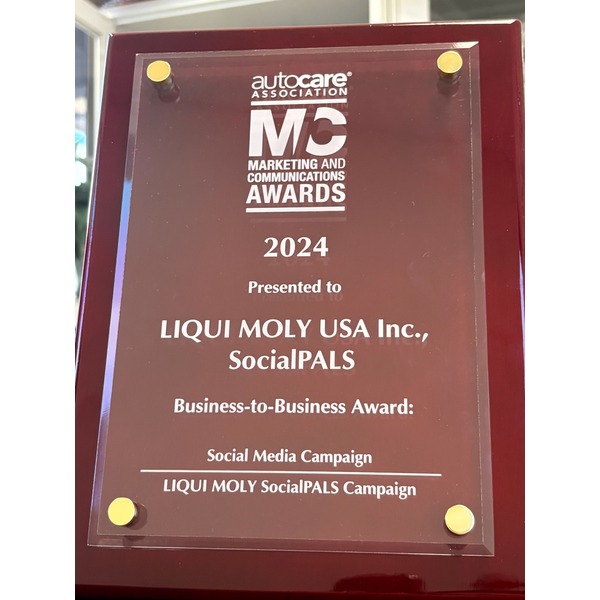
Laura: We’re currently active in Germany, Austria, Switzerland, the US, Australia, Belgium, Portugal, Bosnia, Estonia, Romania, and the UK, and we’re just rolling out in additional countries. Where local teams actively support the program and guide the shops, we see especially high acceptance and strong results. In the US, we even won an award for it.

“Regarding my experience with your campaign, I was positively surprised that your team did everything to promote your products on our page, which we in turn can offer to our customers. It’s a huge advantage that you can post through our profile, where our followers can see it — the rating for your team and the overall impression is a solid ten. Thank you for including us in your campaign. As for approval: we’re on board with anything you do to improve marketing and support us as a customer.”

autocentar školjic

Acs Jelah

What did you learn from scaling internationally — what turned out to be harder than expected?

Laura: We learned that successful internationalization isn’t just about translating a working concept and rolling it out. What really matters is bringing the local teams on board and understanding each individual market. Shops and dealers around the world face similar challenges, but the paths to activating them can differ quite a bit. That’s why we rely equally on global standards and local expertise.

„By combining the strength of the LIQUI MOLY brand with easy-to-execute local marketing, socialPALS has helped our repair shop partners stand out in a highly competitive market. Being recognized with the 2025 Auto Care Association Award was not only an achievement for our team, but also a testament to the success of our repair shop network.”

Eva Brendle Tran
Vice President of Marketing USA | LIQUI MOLY

„The strong adoption right after launch confirmed that socialPALS delivers real value to our repair shop partners. It’s a simple and effective way to convert the strength of the LIQUI MOLY brand into local visibility and new customer leads.“

Vincent Prinzing
CEO LIQUI MOLY Australia | LIQUI MOLY

„After our first post went live, we saw a noticeable increase in appointment bookings over the following 7 to 10 days. The platform is easy to use, the content fits our brand well, and the results have been consistently positive for our business. What really won me over was the support — I still remember the onboarding, when we ran into compatibility issues because of how our Facebook page was set up. Angelo was very patient and helpful throughout.”
 

Euro Auto Repairs

Fabio Malerba

What do you measure the program's success by — and is there a campaign or result you're especially proud of?

Daniel: Of course, we measure success through KPIs like activation rates, reach, and CTR. But my personal favorite KPI is how often we hear that a shop gained new customers through a campaign. And when I see a concept that was originally developed for German shops now being used in the US or Australia, I know we must have done something right.

What advice would you give to a brand with a similar network that's still debating internally whether branding investment or performance ROI should take priority?

Daniel: Both, clearly! Branding makes sure you’re noticed and remembered. Performance makes sure that attention turns into actual inquiries. The best results don’t come from either/or — they come from the right combination of both. Our shops are the most important multipliers of the brand in this.

How would you describe the collaboration with socialPALS in one sentence?

Daniel: “Think global, advertise local: that’s exactly what socialPALS has helped us do for years.”

“We used to build campaigns for independent shops. Today we discuss time zones instead of postings. We see that as a good sign.”

Why is it important for LIQUI MOLY that the auto shop marketing program isn't reinvented every year?

Daniel: Trust doesn’t come from a single campaign — it comes from continuity. When shops and dealers know that relevant campaigns keep coming, that they’re easy to activate, and that they demonstrably work, socialPALS becomes part of their everyday marketing. Of course, we keep developing our creatives and content further. But our goal stays the same: not visibility for one month, but visibility as the standard.

Act now and use MDF more effectively!

socialPALS brings brands and retail partners together, creating a win-win situation that unleashes previously untapped potential. The innovative software solution simplifies complex processes through automated retail marketing and strengthens stationary retail through regional brand campaigns. Get your obligation-free platform demo today and become part of the socialPALS success story.

Our team is happy to show you the plattform with no obligations:​